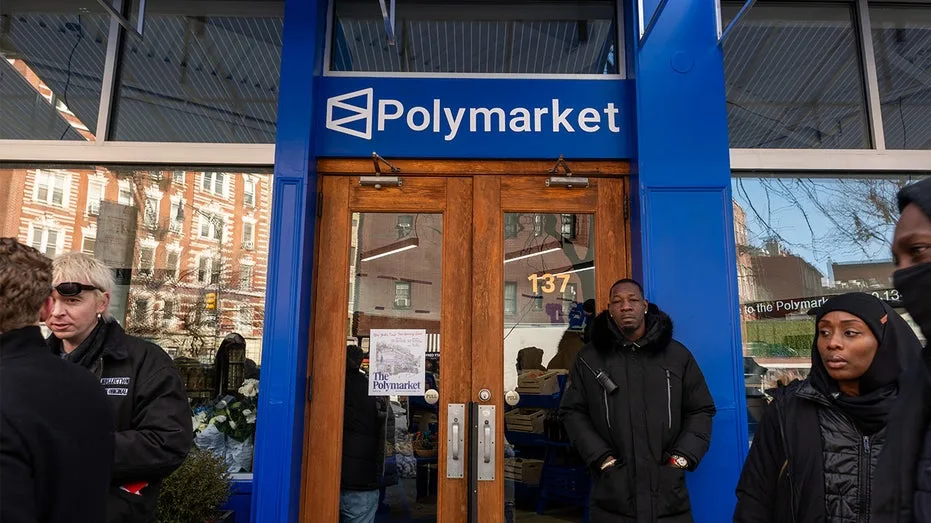
The United States is currently experiencing a surge in gambling activities. From the widespread availability of sports betting to prediction markets such as Kalshi and Polymarket that allow wagers on everything from athletic contests to political outcomes, questions are being raised by politicians and regulators about whether society has gone too far.
This inquiry is certainly valid. However, an equally significant gambling enterprise has been a fixture on American street corners for decades, subtly extracting money from its participants: the government lottery. This system may represent some of the most unfavorable bets available in the nation.
The Pervasive Reach of State Lotteries
Americans collectively purchased over $113 billion in lottery products during fiscal year 2024, according to data from the North American Association of State and Provincial Lotteries. This staggering figure translates to more than $300 million spent daily across the country.
The business of lotteries is clearly thriving. Census Bureau statistics indicate that state lottery ticket sales have nearly doubled, climbing from $52.8 billion in 2008 to $104.7 billion in 2024. It appears that economic inflation has done little to diminish the American public's desire to become instant millionaires.
Astronomical Odds and Evolving Sales Tactics
Consider the odds of winning a major jackpot. For Powerball, the probability is approximately 1 in 292.2 million. For Mega Millions, it's roughly 1 in 290.5 million.
Even if an individual bought one Mega Millions ticket every week for a century, they would only acquire about 5,200 tickets. These are not merely poor odds; they are truly astronomical.
Despite these long odds, lotteries have become increasingly innovative in marketing the dream of wealth. Mega Millions, for instance, raised its ticket price from $2 to $5, promising larger initial jackpots and integrated prize multipliers. Powerball has also expanded into sports-themed games, introducing a $5 NFL-themed option in nearly two dozen states.
Then there are scratch-off tickets, which dominate entire walls in many convenience stores. These range from $5 and $10 tickets to even $20 and $50 options. The current market is no longer about a small $1 fantasy; it's about selling increasingly expensive aspirations.
The Regressive Impact on Household Finances
The most concerning aspect of the lottery system lies in its financial impact. While a wealthy individual spending $20 on lottery tickets might not experience a significant financial effect, someone earning $50,000 annually or living paycheck to paycheck and spending $20 each week is effectively squandering over $1,000 per year.
For a household with limited income, this sum represents substantial money. It could form the foundation of an emergency fund, contribute to paying down credit card debt, or even be invested in a Roth IRA.
To illustrate, investing $1,000 annually for 30 years with a hypothetical 8% return could accumulate more than $113,000. Instead, that money often vanishes, one scratch-off ticket at a time.
This is why economists have consistently voiced concerns about lotteries functioning as a regressive system. The primary issue isn't necessarily who spends the most money in absolute terms, but rather how significant that spending is as a proportion of an individual's income.
Government Revenue vs. Ethical Concerns
A striking paradox exists in public perception. When individuals engage in trading on platforms like Kalshi or Polymarket, there's immediate apprehension about them gambling. Yet, when someone repeatedly purchases state lottery tickets, the narrative shifts to