White House Report Uncovers Multi-Billion Dollar Tariff Evasion Scheme, Citing China as Primary Example
A new federal report details how foreign exporters are rerouting goods through third countries to circumvent U.S. tariffs, potentially costing the Treasury billions annually.
Politics·
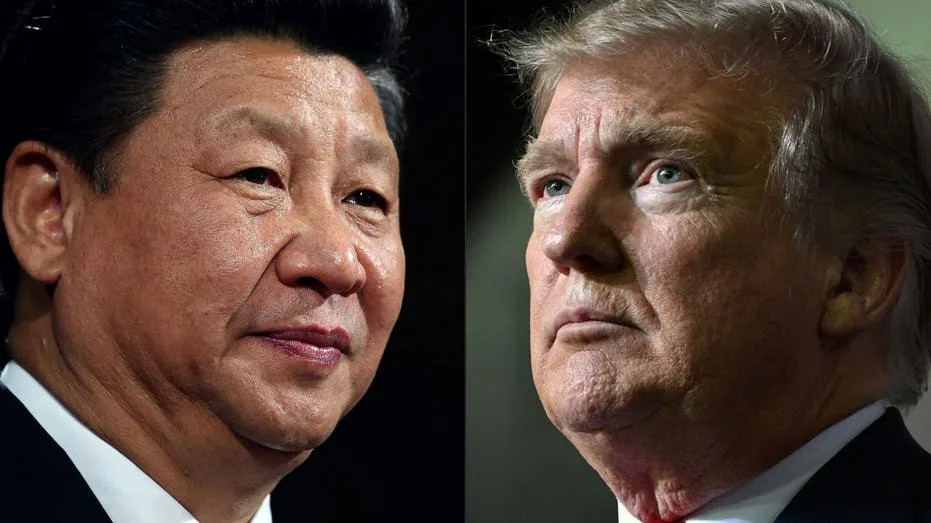
Concerns are escalating regarding foreign exporters' tactics to bypass U.S. tariffs by routing their products through intermediary nations, as highlighted in a new White House report released on Thursday.
Among more than 40 countries identified as posing a significant risk for transshipment are China, Panama, Mexico, and Colombia. Other nations cited in the report include Brazil, Argentina, Chile, Peru, Costa Rica, and the Dominican Republic.
Transshipment involves sending goods through a third country before they officially enter the United States. During this process, the country of origin may be altered, potentially allowing the goods to qualify for reduced tariffs upon arrival.
The 25-page document, titled "The Great Transshipment Scam," was compiled by the White House Office of Trade and Manufacturing Policy, which is overseen by trade adviser Peter Navarro.
China's Role in Tariff Evasion
The report designates China as the most prominent historical instance of transshipment practices. Following the implementation of Section 301 tariffs on Chinese imports in 2018, the direct U.S. trade deficit with China saw a reduction in both 2019 and 2020.
According to the report, after these tariffs were imposed, Chinese exporters increasingly diverted their goods through other countries. Products that previously traveled directly from China to the United States were instead shipped via jurisdictions where minor modifications—such as limited assembly, finishing, repackaging, relabeling, or changes to documentation—could create the false impression of a different national origin.
The report further explains that these methods have, over time, fostered a sophisticated global network comprising production hubs, logistics platforms, free-trade zones, bonded warehouses, processing corridors, and re-export centers specifically designed to facilitate transshipment.
Financial Impact and Enforcement Efforts
Estimates within the report indicate that tariff-avoiding transshipment costs the U.S. Treasury between $19 billion and $26 billion in lost revenue each year. Broader government and private-sector assessments cited in the report place the total value of goods transshipped to circumvent tariffs at approximately $34.2 billion to $303 billion annually.
The administration has actively worked to enhance the enforcement of transshipment regulations. Navarro commented on the issue, stating that for many years, the widespread transshipment scheme has enabled goods from China to be effectively
Related Stories

Lawmaker Introduces Bill to Curb Congressional Self-Enrichment Through Earmarks
A new resolution aims to close loopholes allowing lawmakers to profit indirectly from earmarks, citing public frustration over rapidly growing congressional wealth. This measure expands current rules, requiring
Sep 21

Unfavorable Views of Democratic Socialists Aid Republican Campaigns Heading Into November Elections
A new poll reveals 55% of registered voters view the Democratic Socialists of America unfavorably, while only 30% hold a positive opinion. Republicans are seizing on these numbers to portray all Democrats as far-left
Sep 21
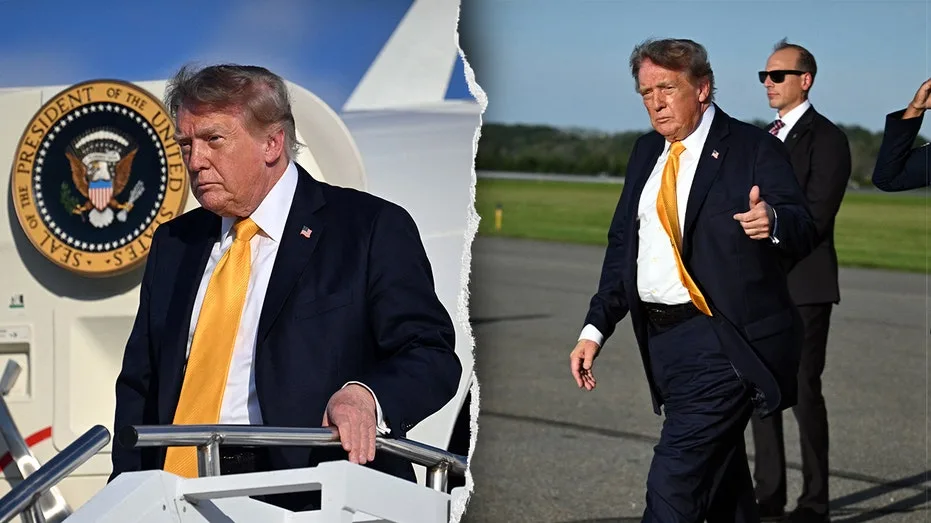
Former President Trump's Apparent Hair Color Change Ignites Online Discussion
Former President Donald Trump's hair appeared noticeably darker on Friday, sparking extensive online discussion. Photos showed him arriving in New Jersey with a brunette-like hue, leading to numerous social media
Sep 6

Armed Man Detained After Forcibly Approaching Ohio Gubernatorial Candidate Amy Acton at Fair
A man carrying a taser and two pistols was arrested at the Canfield Fair after allegedly assaulting multiple attendees while attempting to confront Ohio gubernatorial candidate Amy Acton. Acton was unharmed in the
Sep 6