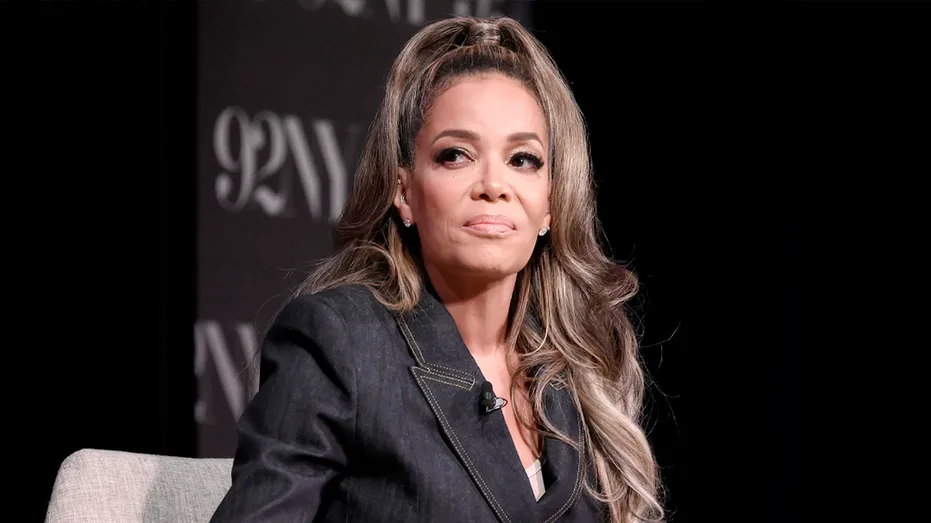
Television personality Sunny Hostin recently indicated that her children encountered racism during their time at private schools predominantly attended by White students.
Her remarks came during a discussion centered on Nikole Hannah-Jones, the founder of the 1619 Project and a reporter for The New York Times Magazine. Hannah-Jones had previously acknowledged reservations about her decision to enroll her daughter in high-poverty public schools in Brooklyn, which are primarily Black, as part of an effort to confront educational inequality.
Hostin expressed understanding for Hannah-Jones' predicament but pointed to different challenges associated with sending Black children to private schools that are predominantly White.
Experiences in Private Education
Hostin elaborated on the complex choices confronting Black parents regarding their children's schooling, drawing a parallel with her own decision.
I made a very different decision. I sent my children to private schools, a predominantly White private school. So, while they didn't suffer academically, they excelled, but it was a well-funded school, a private school, well-resourced school, they suffered a different type of pain.
She further explained the nature of this suffering:
There was psychological trauma, there was racism that they experienced. They were bullied. There was, you know, trauma around their identity. My daughter wears a big afro, kids were trying to stick pencils in her hair. Boys were calling her butter face, meaning she looked good, but her face, and she is a beautiful girl.
While Hostin confirmed that her children "did not struggle academically," unlike the experiences Hannah-Jones' daughter reportedly had, she underscored her concerns about a deeper, nationwide problem impacting school districts where non-White students are the majority.
Addressing Systemic Educational Disparities
Hostin shifted the discussion to broader systemic issues within the education system.
So I think the real question here is, nationally, schools in predominantly non-White districts receive $23 billion less in annual funding than their White counterparts. Underfunded schools versus well-funded schools. So public schools are funded from property taxes. So we need to look at the systemic problem that's happening in this country around public education.
Reflecting on the wider societal implications of school choices and funding, Hannah-Jones' previous comments were also brought into the conversation. She had expressed hope that those concerned about her family's school decision would show "equal or more outrage for the thousands of Black children whose parents don’t have the resources to send them to better schools." Hannah-Jones concluded that "there is no absolution to be had for any of us."